
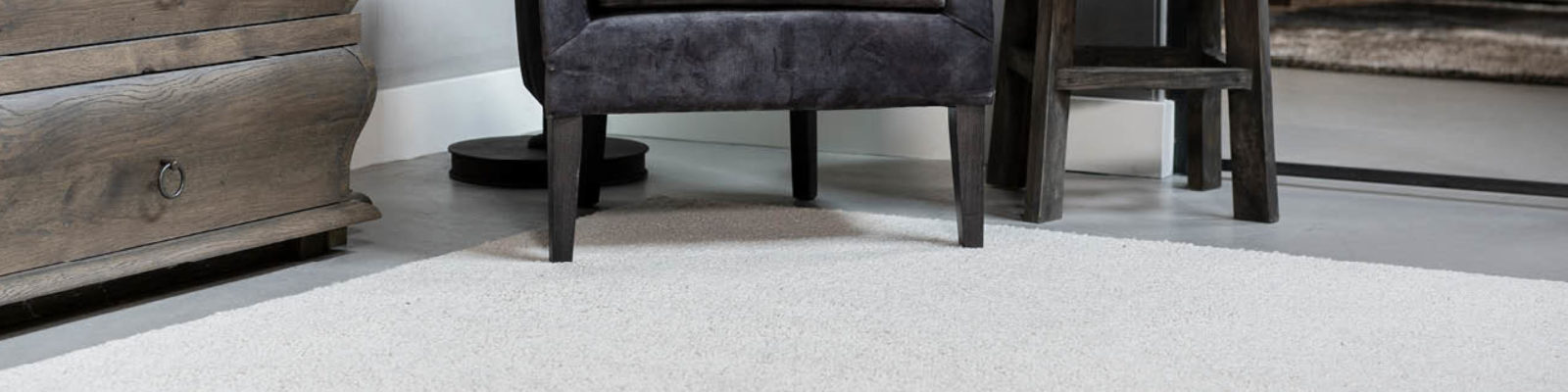
A carpet is a textile floor covering typically consisting of an upper layer of pile attached to a backing. The pile was traditionally made from wool, but synthetic fibers such as polypropylene, nylon, or polyester are often used because they are less expensive than wool.
The term carpet is often used interchangeably with rug. A carpet can apply to a floor covering that covers an entire house, while a rug is generally no bigger than a single room and is usually not attached as part of the floor.
Carpets are used for insulation, comfort, sound reduction, and decoration. They can be made in many colors, patterns, and qualities, from mass-produced synthetic carpets to hand-knotted wool rugs.
A hand-tufted carpet is produced by stretching canvas on a frame, marking the design, and using a tufting gun to push yarn through the canvas. This creates yarn loops at the back and front with each shot.
After tufting, the canvas is removed from the frame, inspected for quality and design, and finished. Latex is applied to the back to secure the rug, and shearing seals or trims loose and projecting ends.
Hand-tufted rugs can be made in materials such as bamboo silk, viscose, and wool. Geometric, stripe, floral, modern, Persian, and plain designs are commonly produced.
A handloom carpet is made on a handloom machine operated by skilled human hands without using electrical power. It is a simple weaving machine made in wooden or iron vertical-shaft loom formats.
The warp threads pass alternately through heddles and spaces between heddles, allowing the weaver to create the shed and insert the weft.
Handloom rugs can be made in bamboo silk, viscose, wool, and other materials. Check, stripe, plain carpets, and durries are commonly made on handlooms.
A Kelim durry is a thick, flat-woven traditional rug made manually by skilled artisans on a horizontal or vertical loom.
It is produced by tightly tying weft knots on the warp cotton of the loom. It is lightweight, foldable, portable, and available in many color combinations and patterns.
Kelim durries can be made in materials such as bamboo silk, viscose, and wool, with geometric, stripe, floral, modern, and plain designs.
A shaggy carpet is characterized by a longer pile length than other rugs. It is usually soft, plush, and made on a horizontal loom.
Shaggy rugs can be made using pit loom, punja loom, or table-tufted techniques, and may use materials such as polyester, malai dori, or wool.
They are commonly made in geometric, stripe, floral, modern, and plain designs.
A Chindi durry is made from waste textile fabrics. These fabrics are sorted by color tone and quality, then reused to make rugs.
Chindi rugs are known for their finish, low maintenance, durability, and eco-friendly recycled nature.
They can also be made with recycled cotton mixed with materials such as jute, wool, cotton, and leather, and are available in modern, geometric, and floral designs.
A patchwork rug is made by stitching together pieces of rugs into a larger design. The larger design is usually built from repeated shapes and different rug pieces.
After cutting and stitching, the rug may be backed with rexine or felt wool, depending on the requirement, to finish the process and give it a new carpet look.
Patch rugs can be made from leather, hair-on leather, canvas fabric, viscose, wool, and other rug or carpet materials.
Flat weave rugs include styles such as dhurrie, kilim, rag rugs, soumak, tapestries, and related woven rugs. Wool and cotton are common fibers, while some modern versions use synthetic fibers.
Flat woven rugs are generally reversible because the pattern and colors can appear on both front and back. They do not have a pile like traditional hand-knotted rugs.
They are usually lighter, easier to move, foldable for storage, and more affordable than hand-knotted rugs of the same size. They can be made in bamboo silk, jute, wool, cotton, and other materials.
A hand-knotted carpet is a traditional pile carpet made by skilled artisans using one of the oldest and most intricate weaving techniques.
It is woven on a vertical loom. Warp threads are tied to the loom, horizontal weft rows secure the structure, and every knot is individually made.
After weaving, the carpet is trimmed, washed, dried in the sun, re-trimmed, stretched where needed, checked, repaired, and finished. Knots per square inch determine quality.
Indo-Nepali rugs are simple contemporary rugs made by Indian weavers using a technique similar to hand-knotted carpet weaving.
They often feature simple and plain designs with mellow color tones and can be more accessible in price than many Oriental or Persian rugs.
These rugs can be made in bamboo silk, viscose, wool, and similar materials, with modern, geometric, and floral designs.
A pit loom is a type of loom fitted into a pit. The artisan works through pedals, and the base of a pit loom is generally stronger than a handloom.
It is mainly used for producing thin flat-weave rugs, but it can also weave shaggy pile rugs. The pit beneath the loom supports the shedding operation.
Pit loom rugs can be made in bamboo silk, viscose, wool, cotton, jute, and other materials, commonly in geometric, stripe, and plain designs.
A Jacquard durry is made using handloom or powerloom machine technology.
Materials such as jute, wool, silk, and other fibers can be used, often with rich colors and an elegant look.
Jacquard durries are made in floral, stripe, geometric, and modern patterns. They are light in weight, soft, fade-resistant, and easy to clean.
Yes. You can provide your own design, color, and size. A custom rug can be developed to match your requirements.
You can choose from many color shades, or colors can be matched to a sample. Designs can be made as runners, circles, squares, and other shapes.
During the process, designs, colors, and patterns can be reviewed, and a small sample may be made to check color, pattern, and material before final weaving.